Waterproof venting membranes are usually small and almost invisible inside a finished product.
But they can play very different roles — protecting a microphone from water, balancing pressure inside a sealed electronic device, or helping a chemical bottle release internal pressure.
The membrane is only the starting point. In most real applications, it is combined with adhesive, support materials and precision die cutting before becoming a functional component.
1. Acoustic Devices
Speakers and microphones need an opening to transmit sound, but that opening can also become an entry point for water and dust.
Waterproof acoustic membranes are commonly used in TWS earbuds, smart speakers, cameras, doorbells, intercoms and wearable devices.
The key is not simply waterproofing. The membrane must provide environmental protection while maintaining acceptable sound transmission.
2. Sealed Electronics
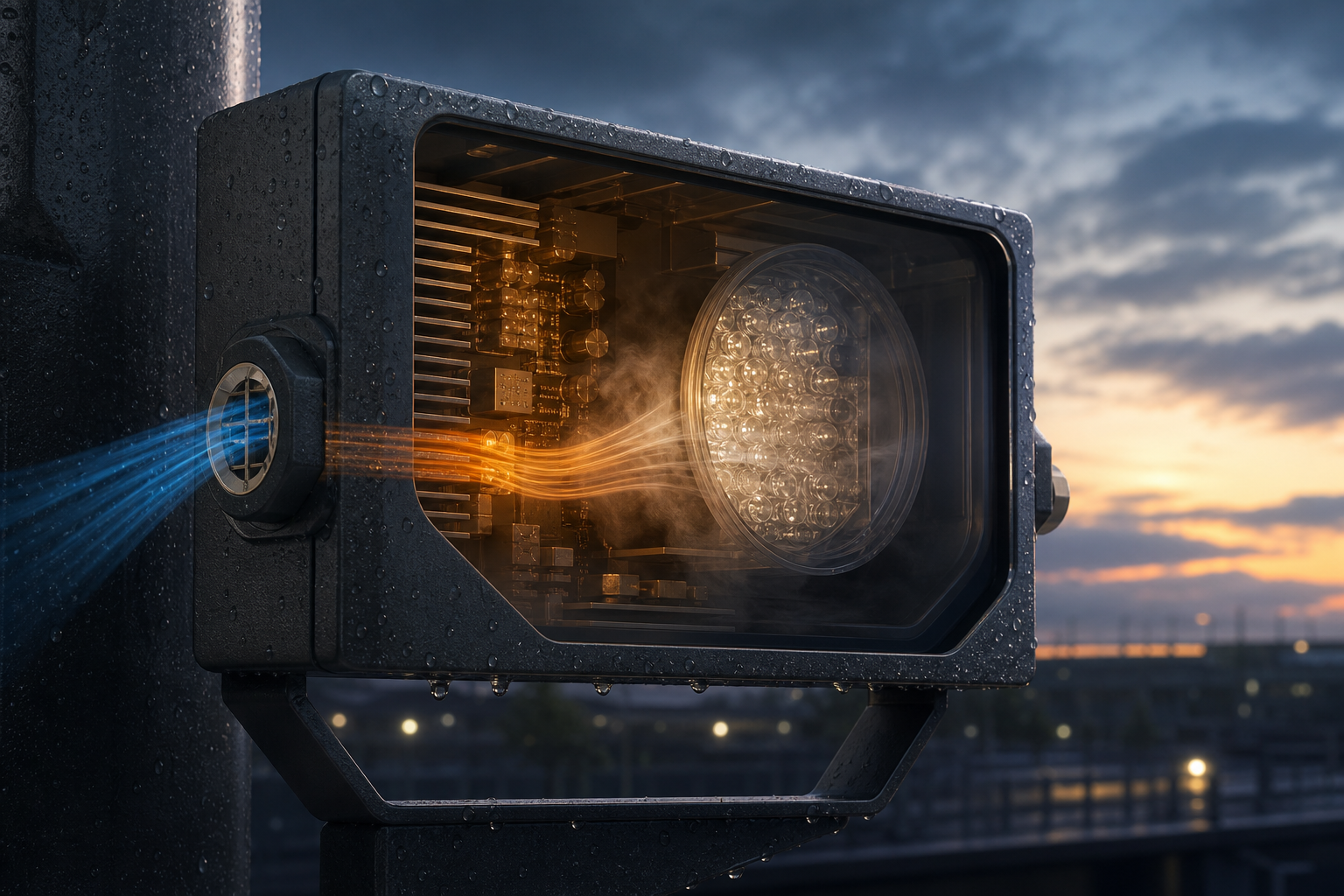
Outdoor and industrial electronics often operate inside sealed housings. Temperature changes, altitude changes and internal heat can create pressure differences between the inside and outside of the enclosure.
A venting membrane allows air to pass through while helping block water and particles.
Typical applications include security cameras, sensors, industrial handheld devices, smart meters and other sealed electronic products.
In these cases, the right solution depends on both waterproof performance and airflow.
3. Packaging
Packaging is another important area for venting technology.
Some liquids and chemicals can create pressure changes during storage and transportation. Without proper venting, bottles may swell, collapse, deform or leak.
A venting membrane can be integrated into a cap or liner to help equalize pressure while maintaining a protective barrier.
Typical forms include vent discs, vent liners and customized vent patches.
4. From Membrane to Die-Cut Component
In many projects, customers do not need a roll of membrane. They need a component that can be directly assembled into their product.
This is where lamination and die cutting become important.
Typical structures may include membrane + PSA, membrane + foam, PET or PI carriers, support mesh and multilayer adhesive structures.
For precision converters, venting membranes can therefore become another functional material added to existing die-cutting capabilities.
Instead of supplying only tape, foam or mesh, converters can provide a complete waterproof, acoustic or pressure-equalization component.
The Membrane Is Only the Beginning
A venting membrane may look simple, but its final function depends on how it is integrated into the product.
The same basic material can become an acoustic vent, an enclosure pressure vent, a packaging liner or a precision die-cut component.
That is why venting projects should start from the application, not only from the membrane specification.
At Shieldzone, we support waterproof acoustic membranes, pressure-equalization membranes and customized die-cut venting components for different applications.
From material selection to converted components, the goal is simple: let what needs to pass through, pass through — and keep what should stay out, out.